Residential Inpatient Addiction Treatment in New Jersey

Residential treatment offers a safe, structured environment where individuals can focus fully on recovery. Through the Guardian Recovery network, New Pathway helps connect New Jersey residents to residential programs with 24/7 care and intensive therapy.

Request a Call Back

Substance Use Recovery

Residential Inpatient

New Pathway - Residential Inpatient Program

Complete Immersion in Recovery

When addiction begins to take over daily life, stepping away from familiar environments can make a powerful difference. Residential inpatient treatment provides a safe, structured setting where individuals can focus fully on healing and recovery.

Through the Guardian Recovery network, New Pathway helps connect individuals in New Jersey to residential treatment programs offering 24/7 clinical support, evidence-based therapy, and individualized treatment plans. Residential care allows individuals to step away from daily triggers and focus on building healthier habits, coping skills, and long-term stability.

Many residential programs last approximately 28 days, though treatment length varies depending on individual needs and progress. During this time, individuals participate in therapy, recovery education, and supportive clinical care designed to strengthen the foundation for lasting sobriety.

You don’t have to face addiction alone. Residential treatment provides the time, structure, and professional support needed to begin rebuilding your life.

What is Residential Addiction Treatment?

Residential addiction treatment, also known as inpatient rehab, is a live-in treatment program where individuals stay at a treatment facility while receiving structured care for substance use disorders. In this setting, individuals focus fully on recovery in a safe, supportive environment with access to clinical support 24 hours a day, 7 days a week.

Through the Guardian Recovery network, New Pathway helps connect individuals in New Jersey with residential treatment programs designed to provide intensive therapy, medical support, and personalized care.

Residential treatment at New Pathway provides:

  • Living at the treatment facility for the duration of the program
  • Separation from triggers, environments, and routines connected to substance use
  • Daily therapy sessions including individual, group, and specialized counseling
  • 24/7 access to medical and clinical professionals
  • A structured daily schedule focused entirely on recovery
  • Peer support from others working toward sobriety
  • Integrated treatment for both substance use and mental health conditions

Residential treatment allows individuals to step away from everyday stressors and fully focus on healing. Many residential programs last approximately 28 days, though the exact length may vary depending on individual needs and treatment progress.

Who Is Residential Inpatient Treatment in New Jersey Right For?

Residential inpatient treatment is designed for individuals who need intensive, structured care to break the cycle of addiction and focus fully on recovery. Through the Guardian Recovery network, New Pathway helps connect individuals in New Jersey with residential programs that provide 24/7 clinical support and immersive treatment.

Residential Treatment May Be Right for You If:

You Need Separation from Triggers

  • Your home environment includes substance use or frequent triggers
  • You are surrounded by people who actively use drugs or alcohol
  • Previous attempts at outpatient treatment have not been successful
  • You need distance from daily routines to break unhealthy patterns

Your Substance Use Has Become Severe

  • You are using substances daily or nearly every day
  • Addiction is affecting your health, relationships, work, or finances
  • You’ve experienced serious consequences related to substance use
  • You need intensive treatment to stabilize and rebuild your life

You Need Structured Support

  • You struggle with impulse control and need 24/7 accountability
  • You need help developing healthy routines and recovery habits
  • You benefit from a highly supervised treatment environment
  • You are at risk of relapse without consistent support

You Are Experiencing Co-Occurring Mental Health Conditions

  • You are struggling with depression, anxiety, trauma, or other mental health challenges
  • Mental health symptoms make outpatient treatment difficult
  • You need integrated treatment for both addiction and mental health

You Are Transitioning from Medical Detox

  • You recently completed detox and need continued care
  • You are medically stable but emotionally vulnerable
  • You need time to build recovery skills before returning to daily life

You Are Ready for a Fresh Start

  • You want to fully commit to recovery
  • You recognize you need professional support
  • You want to rebuild your life and develop healthier coping skills

Coverage Options Made Simple

Complete our secure form and we’ll verify your insurance benefits quickly.

What to Expect in Residential Addiction Treatment

Before You Arrive

When you contact New Pathway, our admissions team will guide you through the process of entering residential treatment. We begin with a confidential assessment to better understand your substance use history, medical needs, and any co-occurring mental health concerns.

During this step, our team will:

  • Conduct a comprehensive assessment
  • Review your medical history and substance use patterns
  • Discuss any mental health concerns
  • Verify your insurance benefits
  • Answer questions about the program
  • Help you prepare for admission
  • Provide a list of recommended items to bring

Our goal is to make the transition into treatment as smooth as possible. Many individuals begin residential care within 24–48 hours of their initial call.

Your First 24-48 Hours

The first few days in residential treatment focus on helping you feel safe, comfortable, and supported while our clinical team develops your personalized treatment plan.

Arrival and Intake

  • Welcome by our clinical and admissions team
  • Tour of the treatment facility and living spaces
  • Comprehensive medical and psychological evaluation
  • Introduction to your therapist and care team
  • Review of program structure and expectations
  • Medication evaluation and care planning

Medical Stabilization:

If you are transitioning from medical detox, our team ensures you remain medically stable while beginning the next stage of treatment.

During this stage:

  • Medications are reviewed and adjusted as needed
  • Medical conditions are evaluated and monitored
  • Any immediate clinical needs are addressed

Orientation:

During your first days in residential treatment, you’ll begin adjusting to the structured environment and meeting the people who will support your recovery.

You will:

  • Learn about the daily schedule and treatment structure
  • Meet staff members and other resident
  • Begin understanding what the next stage of treatment will look like
  • Start building a sense of safety and stability

Many people feel anxious on their first day in treatment—that’s completely normal. Our team works closely with each individual to ensure they feel supported and comfortable as they settle into the program.

A Typical Day in Residential Addiction Treatment

Residential treatment provides a structured daily routine designed to support healing and long-term recovery. Each day combines therapy, wellness activities, and personal reflection to help individuals build healthier habits and coping skills.

Typical Daily Schedule

7:00 AM – Wake Up & Morning Routine

  • Personal hygiene and room care
  • Medication distribution when needed
  • Light stretching, mindfulness, or meditation

8:00 AM – Breakfast

  • Nutritious meals designed to support physical recovery
  • Community dining that encourages connection and support

9:00 AM – Morning Community Meeting

  • Set daily intentions for recovery
  • Emotional check-ins and peer support
  • Daily announcements and program updates
  • Building accountability within the recovery community

9:30 AM – Morning Therapy Sessions

  • Group therapy (including CBT and DBT approaches)
  • Psychoeducation sessions focused on recovery skills
  • Skill-building workshops and relapse prevention
  • Experiential therapies that support emotional growth

12:00 PM – Lunch

  • Midday meal and time to recharge
  • Brief rest or personal reflection time

1:00 PM – Afternoon Clinical Programming

  • Individual therapy sessions (scheduled throughout the week)
  • Specialized groups addressing trauma, relapse prevention, and family dynamics
  • Psychiatric appointments when needed
  • Case management and treatment planning

3:30 PM – Recreational & Wellness Activities

  • Fitness, yoga, or movement-based wellness activities
  • Art, music, or creative therapies
  • Meditation and mindfulness practices
  • Outdoor activities and recreation
  • Opportunities to build healthy social connections

5:30 PM – Dinner

  • Evening meal shared with the recovery community
  • Time to relax, connect with peers, and recharge after a full day of therapy

7:00 PM – Evening Programming

  • 12-step meetings or other recovery-focused support groups
  • Educational workshops or recovery-focused films
  • Journaling, reflection, or guided discussion
  • Guest speakers or alumni sharing their recovery experiences

8:30 PM – Personal Time

  • Phone calls with approved family members or loved ones
  • Reading, journaling, or personal reflection
  • Self-care and relaxation activities
  • Preparation for the next day’s programming

10:00 PM – Evening Check-In

  • Reflection on the day’s progress and experiences
  • Medication distribution when needed
  • Support from staff for any challenges or concerns

11:00 PM – Lights Out

  • Time for rest and recovery
  • A consistent sleep schedule supports physical and emotional healing

Note: Your daily schedule may vary based on your personalized treatment plan, the treatment facility, and your progress throughout the residential program.

Core Treatment Components in Residential Rehab

Residential treatment combines multiple therapeutic approaches to help individuals understand addiction, build coping skills, and create a strong foundation for long-term recovery.

Individual Therapy

One-on-one sessions with a primary therapist are a central part of residential treatment. These sessions allow individuals to explore personal challenges, identify underlying causes of substance use, and develop strategies for lasting recovery.

Frequency:
Typically 1–3 sessions per week, lasting 45–60 minutes.

Focus Areas Include:

  • Understanding the root causes of substance use
  • Processing trauma, grief, shame, and difficult emotions
  • Identifying and changing harmful thought patterns
  • Developing personalized coping strategies
  • Setting meaningful recovery goals
  • Building self-awareness and emotional resilience
  • Preparing for life after treatment

Your therapist becomes a trusted guide who helps you better understand yourself and your recovery journey.

Group Therapy

Group therapy plays a vital role in residential addiction treatment. These sessions allow individuals to connect with others facing similar challenges, gain perspective, and practice new recovery skills in a supportive environment.

Individuals typically participate in multiple therapeutic groups each day.

Common Types of Therapy Groups

Process Groups
Open discussions where participants share experiences, receive feedback, and build emotional awareness and connection.

Cognitive Behavioral Therapy (CBT)
CBT is designed to help individuals identify negative thought patterns and replace them with healthier behaviors and coping strategies.

Dialectical Behavior Therapy (DBT)
DBT focuses on emotional regulation, distress tolerance, mindfulness, and interpersonal effectiveness.

Relapse Prevention Groups
Relapse prevention therapy helps individuals identify triggers, high-risk situations, and develop strategies to maintain long-term sobriety.

Trauma-Informed Therapy
Addresses the connection between trauma and substance use while providing safe and supportive healing approaches.

12-Step Integration
Introduces principles from programs like Alcoholics Anonymous (AA) and Narcotics Anonymous (NA), helping individuals build connections with recovery communities.

Life Skills Development
Teaches practical skills for independent living, including financial responsibility, healthy routines, and job readiness.

Psychiatric Services and Medication Management

Residential addiction treatment at New Pathway includes comprehensive psychiatric care to support both substance use and mental health recovery. Many individuals entering treatment experience co-occurring mental health conditions such as anxiety, depression, trauma, or mood disorders.

During residential treatment, you may receive:

  • A comprehensive psychiatric evaluation during your first days in treatment
  • Diagnosis and treatment of co-occurring mental health conditions
  • Medication management for conditions such as depression, anxiety, PTSD, or bipolar disorder
  • Ongoing monitoring of medication effectiveness and side effects
  • Education about mental health conditions and treatment options
  • Integrated care that treats both addiction and mental health together

This integrated approach is known as dual diagnosis treatment, meaning mental health and substance use challenges are addressed simultaneously for more effective, long-term recovery.

Family Programming

Addiction affects not only individuals but also the people who care about them. Family involvement can play an important role in the recovery process by helping rebuild trust, improve communication, and create a supportive home environment.

Family programming may include:

  • Educational sessions about addiction and recovery
  • Family therapy sessions (in-person or via telehealth)
  • Communication and relationship-building exercises
  • Addressing family dynamics and unresolved conflicts
  • Developing a supportive recovery plan for after treatment
  • Preparing loved ones for your transition home

We encourage family participation because strong support systems significantly improve long-term recovery outcomes.

Medical Care & Wellness Support

In addition to therapy and psychiatric services, residential treatment also supports physical health and overall wellness. Substance use can place significant strain on the body, and medical care helps restore stability during recovery.

Medical support may include:

  • Management of chronic health conditions (such as diabetes or high blood pressure)
  • Treatment for addiction-related medical concerns
  • Medication support for comfort and symptom stabilization
  • Nutritional guidance and balanced meals
  • Sleep support and restoration of healthy routines
  • Monitoring of overall physical wellness

Residential treatment allows individuals to focus fully on recovery while both physical and mental health needs are carefully supported.

Psychoeducation

Understanding addiction helps individuals build the knowledge and awareness needed to support long-term recovery.

Educational Topics May Include:

  • The neuroscience of addiction and how substances affect the brain
  • The stages of recovery and what to expect throughout treatment
  • Co-occurring mental health conditions and integrated treatment
  • Nutrition, exercise, and physical wellness during recovery
  • Healthy sleep habits and restoring natural sleep cycles
  • The role of relationships and support systems in recovery
  • Managing cravings, triggers, and high-risk situations
  • The importance of ongoing care and relapse prevention

Knowledge is a powerful part of recovery. The more individuals understand addiction, the better prepared they are to maintain lasting sobriety.

Holistic and Experiential Therapies

Recovery involves healing the mind, body, and emotional well-being. In addition to traditional therapy, residential treatment incorporates holistic and experiential approaches that support whole-person recovery.

Holistic therapies may include:

Mindfulness & Meditation
Practices that help individuals manage stress, improve focus, and develop emotional awareness.

Yoga & Movement Therapy
Physical movement that supports stress reduction, physical health, and mind-body connection.

Art Therapy
Creative expression that helps individuals process emotions and experiences in non-verbal ways.

Music Therapy
Uses music and sound to support emotional healing and self-expression.

Adventure-Based Activities
Experiential challenges that build confidence, teamwork, and resilience.

Nutritional Counseling
Education on restoring physical health through balanced nutrition.

Fitness & Recreation
Healthy outlets for stress relief, physical wellness, and enjoyment.

These approaches support healing on multiple levels and help individuals develop sustainable wellness habits.

Case Management and Discharge Planning

From the beginning of residential treatment, our team works with you to plan for life after rehab. Effective discharge planning helps ensure a smoother transition from residential care into the next stage of recovery.

Case managers help coordinate:

  • Continuing treatment such as Partial Hospitalization (PHP), Intensive Outpatient (IOP), or outpatient therapy
  • Connections with community resources and recovery networks
  • Housing support or sober living options
  • Planning for employment, education, or daily responsibilities
  • Assistance navigating insurance and financial concerns
  • Development of a personalized aftercare plan
  • Ongoing support groups and recovery community connections

We don’t simply complete treatment and send you home. Our goal is to ensure you leave residential care with a clear plan, strong support system, and continued access to recovery resources.

Length of Residential Treatment

Residential treatment programs typically last approximately 21–28 days, though the exact length of stay depends on several factors, including:

  • Your individual clinical needs and treatment progress
  • The severity and history of substance use
  • Co-occurring mental health conditions
  • Insurance coverage and care recommendations
  • Your response to treatment
  • Readiness to transition to the next level of care

Why 21–28 Days of Residential Treatment?

Research shows that several weeks of structured residential care can help individuals:

  • Break the cycle of active substance use
  • Build foundational recovery skills
  • Address underlying emotional or behavioral challenges
  • Stabilize mental health and begin trauma healing
  • Prepare for successful transition into outpatient care

Some individuals benefit from additional time in treatment, while others may be ready to transition sooner. Your clinical team regularly evaluates progress and recommends the most appropriate next step based on your recovery needs.

Questions About Insurance?​

Find out exactly what your plan covers. We make insurance verification fast, easy, and private.

What Happens After Residential Treatment?

Residential treatment is a powerful beginning—but recovery is a lifelong journey. Research consistently shows that individuals who transition through multiple levels of care experience stronger, more sustainable long-term recovery outcomes.

After completing residential inpatient treatment at Guardian Recovery, most clients continue their recovery through the next level of structured care in our continuum of addiction treatment programs in New Jersey.

Partial Hospitalization Program (PHP)

For many individuals, the next step after residential rehab is a Partial Hospitalization Program (PHP). PHP provides structured, intensive treatment during the day while allowing greater independence outside of program hours.

After residential treatment, PHP typically includes:

  • Continued intensive therapy (typically 5–6 hours per day, 5–7 days per week)
  • The ability to live at home, in sober living, or nearby supportive housing
  • Gradual transition back into everyday responsibilities
  • Individual therapy, group counseling, and skill-building sessions
  • Ongoing psychiatric care and medication management when needed
  • Opportunities to practice recovery skills in real-world settings

This transition is designed to be seamless. Many clients continue working with the same clinical team, maintaining the relationships and momentum built during residential treatment.

Intensive Outpatient (IOP) and Continued Recovery Support

After PHP, most individuals step down into an Intensive Outpatient Program (IOP). IOP provides structured therapy while allowing clients to return to work, school, and family life.

IOP programs typically include:

  • Multiple therapy sessions each week
  • Ongoing relapse prevention and recovery skill development
  • Continued psychiatric support if needed
  • Accountability and connection within a recovery community

Following IOP, many individuals transition to traditional outpatient therapy and alumni support programs, helping them maintain progress and stay connected to a recovery network.

Living Arrangements in Residential Treatment

Your Private or Semi-Private Room

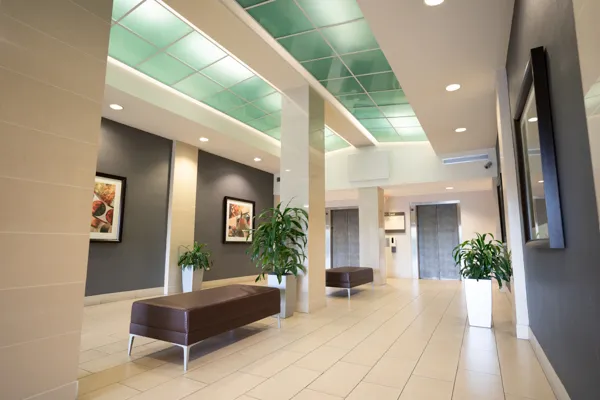
During residential addiction treatment at Guardian Recovery, you’ll stay in a comfortable, structured environment designed to support healing and recovery. Clients typically have either a private room or a semi-private room with one roommate, depending on availability and personal preferences.

Your living space is designed to provide privacy, safety, and stability while you focus fully on recovery.

Your room includes:

  • A comfortable bed with fresh linens
  • Storage space for personal belongings
  • Climate-controlled comfort
  • A clean, secure living environment
  • Access to shared or en-suite bathrooms (depending on the facility)

Shared Spaces Designed for Healing

In addition to private living areas, residential treatment includes welcoming shared spaces where therapy, connection, and daily activities take place.

Common areas may include:

  • Group therapy and counseling rooms
  • A dining area for nutritious meals and community connection
  • Recreation and relaxation spaces
  • Outdoor areas for fresh air and reflection
  • Quiet spaces for reading, journaling, or meditation
  • Fitness and wellness areas

A Safe Place to Focus on Recovery

For the duration of your stay—typically around 28 days—this environment becomes your home while you focus fully on healing. Our residential treatment setting is designed to help you step away from outside stressors, build healthy routines, and begin meaningful recovery in a safe and supportive space.

What to Bring to Residential Treatment

Preparing for residential treatment can feel overwhelming, but our admissions team will guide you through every step. Most clients only need to bring a few essential items for comfort and daily living during their stay.

Below are general guidelines to help you prepare for admission to New Pathway’s residential addiction treatment program.

Clothing:

  • Comfortable, casual clothes for 7-10 days (laundry is available)
  • Modest attire appropriate for a professional therapeutic environment
  • Comfortable shoes for indoor and outdoor activities
  • Jacket or sweatshirt
  • Sleepwear and undergarments

Personal Items:

  • Toiletries (unscented if possible, no alcohol-based products)
  • Any necessary medications in original containers
  • Insurance card and ID
  • Journal or notebook
  • Books for personal time
  • Photos of loved ones (non-triggering)

What NOT to Bring:

  • Alcohol, drugs, or drug paraphernalia
  • Weapons of any kind
  • Pornographic materials
  • Medications not prescribed to you
  • Excessive valuables or cash
  • Items that could be used for self-harm

Your Admissions Team Will Help You Prepare

Once you begin the admissions process, our team will provide a complete packing checklist and answer any questions about what to bring.

Our goal is to make your transition into treatment as smooth and stress-free as possible, so you can focus fully on healing and recovery.

Dual Diagnosis Treatment: Healing the Whole Person

Many individuals struggling with substance use also experience mental health conditions. In fact, research shows that more than half of people with addiction have a co-occurring mental health disorder.

At New Pathway in New Jersey, we specialize in dual diagnosis treatment, meaning we treat substance use and mental health conditions at the same time. Addressing both together leads to stronger, more sustainable recovery outcomes.

Integrated Treatment for Mental Health and Addiction

Dual diagnosis treatment recognizes that addiction and mental health challenges often influence one another. Our integrated approach ensures that both conditions receive the attention they need.

At New Pathway:

  • You don’t have to choose between treating addiction or mental health
  • Our clinical team understands how the two conditions are connected
  • Treatment plans address both challenges from the very beginning of care

Common Co-Occurring Disorders We Treat

Our clinical team provides treatment for a wide range of co-occurring mental health conditions, including:

  • Depression and substance use disorder
  • Anxiety disorders and addiction
  • Post-Traumatic Stress Disorder (PTSD) and substance use
  • Bipolar disorder and addiction
  • Attention-Deficit / Hyperactivity Disorder (ADHD) and substance use
    • Eating disorders alongside substance use challenges
    • Personality disorders and addiction

What Dual Diagnosis Treatment Includes

Comprehensive dual diagnosis care may include:

  • A full psychiatric evaluation and clinical assessment
  • Medication management for mental health symptoms when appropriate
  • Evidence-based therapy addressing both trauma and substance use
  • Skills for managing mental health symptoms without substances
  • Education on how addiction and mental health conditions interact
  • A personalized treatment plan designed for your specific needs

Treating the Whole Person

You shouldn’t have to manage mental health challenges and addiction separately. At New Pathway, our integrated treatment approach focuses on healing the whole person—mind, body, and emotional well-being—so you can build a stable foundation for long-term recovery.

Ready to Begin Residential Treatment at Guardian Recovery?

The hardest part is making the decision. The rest, we’ll do together.

When you call, we'll:

You can also:

Don’t wait for things to get worse.
Don’t wait until you’ve lost more.
Don’t wait until you’re ready—you’ll never feel completely ready.

The best time to get help is right now. Your new life is waiting. Let’s start today.

Common Questions About Residential Inpatient Treatment

Clear, straightforward answers to help you understand what to expect, how the process works, and how we support you every step of the way.

Can I leave residential treatment if I want to?

Residential treatment is voluntary. You can choose to leave, though we strongly encourage you to discuss concerns with your treatment team first. Leaving against clinical advice (AMA) can put your recovery and insurance coverage at risk. Most moments of wanting to leave are temporary—talking through them often resolves the urge.

If an urgent situation arises while you’re in residential treatment, our clinical team will work with you to determine the safest and most appropriate solution. In many cases, we can coordinate communication with family members or assist in arranging support at home so you can continue focusing on your recovery.

Our goal is to help you maintain stability in treatment while addressing any urgent concerns responsibly.

Policies regarding smoking vary by facility. Some residential treatment centers provide designated smoking areas, while others offer nicotine replacement options or support for quitting nicotine.

During admission, our team will explain the specific guidelines at your location and help you prepare for your stay.

Many individuals take time away from work to focus on recovery. In some cases, employees may qualify for job protection under the Family and Medical Leave Act (FMLA) while receiving addiction treatment.

Our admissions team can help explain options and provide documentation if needed so you can prioritize your health while protecting your employment when possible.

Your privacy is protected. Addiction treatment providers must follow strict confidentiality laws (HIPAA and federal substance use privacy regulations) that protect your personal information.

No one will be informed that you are in treatment unless you choose to share that information or provide written consent.

Residential treatment at New Pathway includes a variety of evidence-based therapies and recovery approaches. While some individuals benefit from 12-Step programs, participation is not the only path to recovery. Our program incorporates multiple therapeutic methods, including CBT, DBT, trauma-informed therapy, relapse prevention planning, and skills development, allowing you to find the approach that works best for you.

The cost of residential addiction treatment varies depending on several factors, including length of stay, level of care, and insurance coverage.

Many insurance plans cover some or all of the cost of treatment. Our admissions specialists can verify your insurance benefits confidentially and explain your coverage options before admission.

Relapse can be part of the recovery journey, and many people benefit from returning to treatment with a stronger understanding of their needs.

Residential treatment can provide a structured environment, deeper therapeutic work, and renewed support to help address underlying challenges and build a stronger recovery foundation.

Seeking help again is not failure—it’s a commitment to your health and long-term recovery.

Why Choose New Pathway's Residential Inpatient Program?

Expert Clinical Team

Our licensed therapists, addiction counselors, psychiatrists, nurses, and case managers specialize in substance use disorder treatment and co-occurring mental health care, providing experienced clinical support throughout every stage of recovery.

Family Involvement

When appropriate, we incorporate family therapy and education into treatment. Strengthening family relationships can play an important role in building long-term recovery support.

Evidence-Based Treatment

Our residential program uses research-backed therapeutic approaches such as Cognitive Behavioral Therapy (CBT), Dialectical Behavior Therapy (DBT), trauma-informed therapy, and motivational interviewing to help individuals build lasting recovery skills.

Full Continuum of Care

Clients can transition seamlessly through Guardian Recovery’s full continuum of addiction treatment, including medical detox, residential treatment, Partial Hospitalization (PHP), Intensive Outpatient (IOP), and alumni support programs.

True Dual Diagnosis Care

Addiction and mental health challenges are often interconnected. Our clinical team treats substance use and co-occurring mental health disorders together, ensuring comprehensive care for the whole person.

Comfortable, Safe Environment

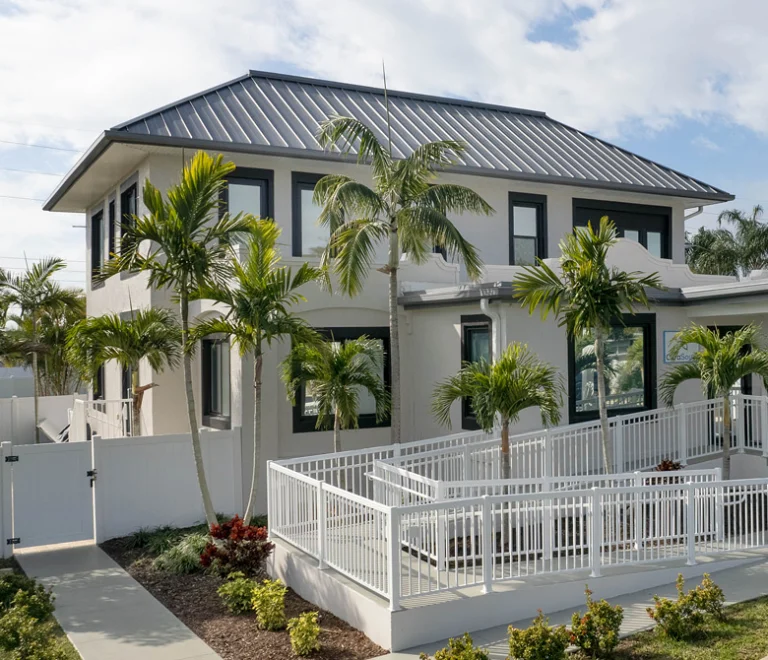
Our residential facilities are designed to feel welcoming, safe, and supportive, providing a calm, structured environment where individuals can focus fully on healing.

Medical and Psychiatric Support

Residents receive 24/7 access to medical care, psychiatric services, and medication management when appropriate to ensure safety, stability, and effective treatment during residential recovery.

Holistic Approach

Recovery involves the whole person. In addition to clinical therapy, we incorporate holistic and experiential therapies that support mental, emotional, and physical well-being.

Individualized Treatment Plans

No two recovery journeys are the same. Each client receives a personalized treatment plan based on their history, clinical needs, mental health concerns, and long-term recovery goals.

Proven Outcomes

Our comprehensive treatment model helps individuals develop the skills, stability, and support systems needed for lasting recovery and long-term sobriety.

Small Staff-to-Client Ratios

Our residential program maintains low staff-to-client ratios, allowing for more personalized attention, stronger therapeutic relationships, and a safer, more supportive recovery environment.

Insurance Accepted

We work with many major insurance providers and can verify your benefits confidentially. Our admissions team helps make the process simple so you can focus on getting the care you need.

A Seamless Continuum of Care for Every Stage of Recovery

Medical Detoxification

Our medically supervised detox program in New Jersey provides 24/7 clinical monitoring to help individuals safely withdraw from drugs or alcohol. Using evidence-based protocols and medication-assisted support when appropriate, our medical team focuses on stabilizing withdrawal symptoms and preparing individuals for the next stage of recovery.

Residential Inpatient Treatment Program

Residential treatment provides 24-hour clinical care in a structured recovery environment. Individuals receive therapy, medical support, and recovery education designed to help them build healthy routines and a strong foundation for long-term sobriety.

Intensive Outpatient Program (IOP)

Our Intensive Outpatient Program offers structured addiction treatment while allowing individuals to live at home and maintain daily responsibilities. Through therapy, skill-building, and clinical support, IOP helps individuals continue strengthening their recovery after detox or residential care.

Guardian Recovery 's Nationwide Network of Programs

Guardian Recovery offers a full continuum of care between our nationwide facilities; including PHP, IOP, and Aftercare. Explore our nationwide network of locations to learn more about our programs. 

Verify Insurance Coverage

Request a Call Back

Best Time to Reach You

Medical Disclaimer:

The information provided on this website is intended solely for educational and informational purposes. Guardian Recovery aims to improve the quality of life for individuals struggling with substance use or mental health disorders by offering fact-based content about behavioral health conditions, treatment options, and related outcomes. However, this information should not be considered a substitute for professional medical advice, diagnosis, or treatment.

Important Notes:

The content on this site is believed to be current and accurate at the time of posting, but medical information is constantly evolving.
Always seek the advice of your physician or other qualified healthcare provider regarding any questions or concerns about your health or medical condition.
If you think you may have a medical emergency, call 911 or go to the nearest emergency room immediately.
Guardian Recovery does not provide free medical advice. For personalized treatment recommendations, please consult with a licensed healthcare professional.

By using this website, you acknowledge that you have read and understand this disclaimer. Guardian Recovery and its affiliates disclaim any liability for the use or interpretation of information contained herein. SEE TERMS AND CONDITIONS

Get in Contact

Medical Disclaimer:

The information provided on this website is intended solely for educational and informational purposes. Guardian Recovery aims to improve the quality of life for individuals struggling with substance use or mental health disorders by offering fact-based content about behavioral health conditions, treatment options, and related outcomes. However, this information should not be considered a substitute for professional medical advice, diagnosis, or treatment.

Important Notes:

The content on this site is believed to be current and accurate at the time of posting, but medical information is constantly evolving.
Always seek the advice of your physician or other qualified healthcare provider regarding any questions or concerns about your health or medical condition.
If you think you may have a medical emergency, call 911 or go to the nearest emergency room immediately.
Guardian Recovery does not provide free medical advice. For personalized treatment recommendations, please consult with a licensed healthcare professional.

By using this website, you acknowledge that you have read and understand this disclaimer. Guardian Recovery and its affiliates disclaim any liability for the use or interpretation of information contained herein. SEE TERMS AND CONDITIONS